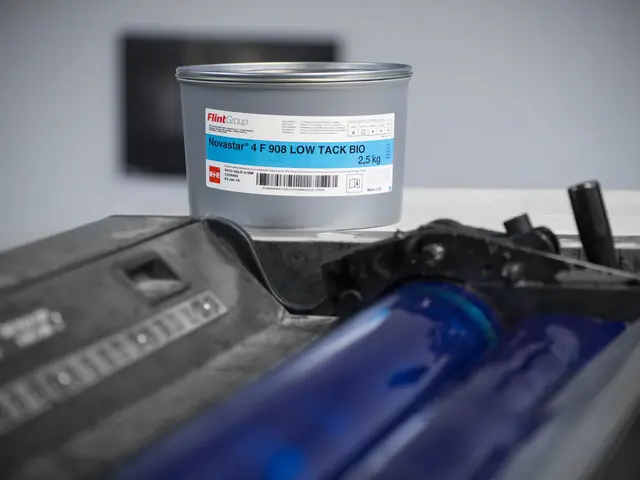
How to use our offset printing guides
These offset printing guides help printers, press assistants and production managers investigate recurring faults. Start with the visible symptom, then compare the possible causes. Record the paper, ink series, press settings and conditions when the problem appeared. Change one factor at a time so that you can assess the result.
Choose a guide for the production decision
Use the ink drying guide when sheets remain vulnerable during finishing. For coating defects, compare foam, blocking and uneven application separately. If you are ordering a spot colour, check the Pantone reference and finishing requirements first. Our chemistry guide explains how to distinguish routine washing from deposit removal.
What should you record before changing a product?
Keep a printed sample and note when the defect appeared. Also record previous adjustments and the products already used. Compare a control sample after the next justified change. If the defect persists, this record helps narrow the discussion to the actual production conditions.
Can a guide replace a product instruction?
No. Follow the technical and safety instructions for the exact product and press. General advice helps organize diagnosis, but does not establish compatibility, dosage or packaging compliance. Use the glossary to clarify terms before comparing solutions.
Choosing black offset ink requires separate checks of density, setting and drying. A strong solid black does not guarantee rub resistance. Compare the series against your substrate and finishing schedule.
Before ordering Pantone inks, specify the reference, substrate and planned finishing. A colour number does not define resistance requirements. Learn which information helps prepare and approve the right formulation.
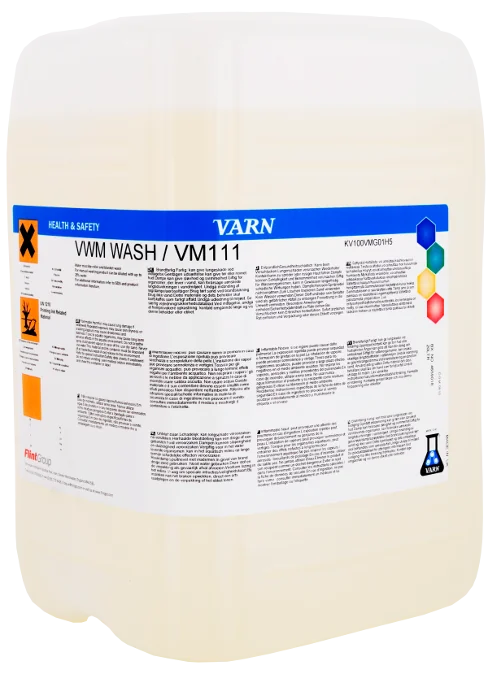
Choosing offset printing chemicals starts with the deposit, ink and press component. Washing, descaling and surface care solve different problems. Learn which checks help you select the appropriate product.
If offset ink is not drying, first distinguish slow drying, set-off and weak rub resistance. Check the substrate, ink film and dampening conditions. Change one variable at a time and compare samples.

Diagnose water-based coating problems by separating foam, uneven application and blocking. Check circulation, coating transfer and drying conditions. Record the results before changing the coating or press settings.