







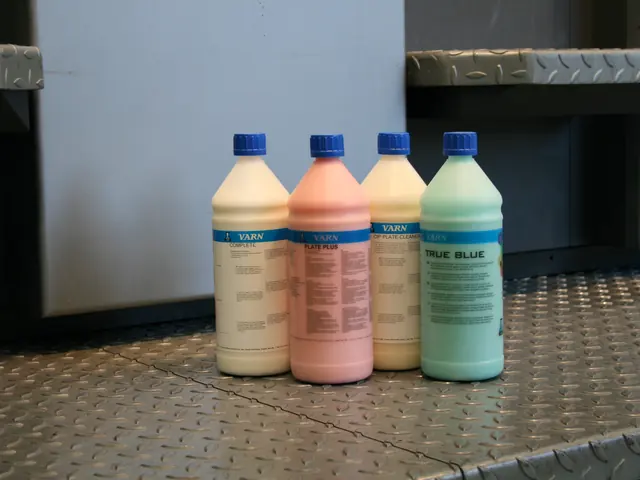
Choose fountain solution concentrates for your water, press and ink system. Compare VARN options for the intended dampening conditions. Check concentration, conductivity and pH together rather than relying on pH alone.
Check also the full range of VARN chemicals and general offer of WIT printing chemicals.
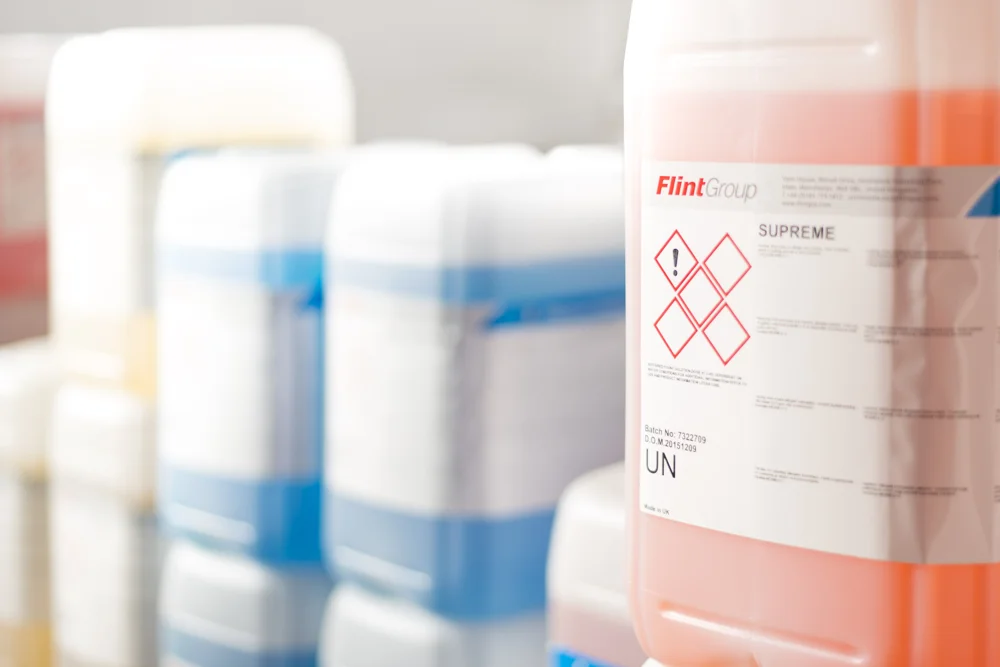
How to select VARN fountain solution concentrates for water?
Start with the hardness, conductivity and alkalinity of your water. Also provide the machine model, board and ink type, and current IPA share. The same concentrate may require different settings with different water.
Select a concentration from the given ranges for your machine and water. Do not use one recipe for all processes in the print shop. Measure fresh solution and record the reference point for later control.
VARN Fountain Solution Concentrates – Compare Products
Compare applications and product selection conditions below. Download available technical sheets in Polish or English. The 2015 cards concern the product variants described therein. If you need a safety data sheet or information about another variant, please write to us.
Select product (15)
Sheet-fed fountain solution additives
VARN SFF 9312 Fount
Dampening with limited IPA; selection for water and machine settings.
What should you look out for?
Use concentrate at a concentration of 2-4%; the typical IPA range is 0.01–5%. Check water parameters.
Sheet-fed fountain solution additives
VARN AF 3000
Reduce or eliminate IPA after adjusting machine settings.
What should you look out for?
Use the concentrate at a concentration of 2-4%. Don’t treat printing without IPA as a guarantee for any machine.
Sheet-fed fountain solution additives
VARN AF 4000
Selection for a process in which you want to reduce the alcohol content in dampening.
What should you look out for?
Confirm dosage and operating conditions in the current card of a specific variant.
Sheet-fed fountain solution additives
VARN Ultra 4100 Fount
Dampening for conventional, UV, low-energy UV and metallic inks.
What should you look out for?
Concentrate 2-4%; typical IPA 5–10%.
Sheet-fed fountain solution additives
VARN Libra Fount LM
Dampening without IPA in a properly selected low-migration system.
What should you look out for?
We propose the LM variant to work with Novasens P670 LIBRA PREMIUM. This does not mean automatic compliance of any packaging.
Sheet-fed fountain solution additives
VARN Premier Fount LA
Conventional, UV and UV LED printing with limited IPA.
What should you look out for?
Concentrate 2-4%; typical IPA 0.01–5%. The result depends on the water and the machine.
Sheet-fed fountain solution additives
VARN Premier Fount SO
Dampening in small offset presses.
What should you look out for?
Use the concentrate at a concentration of 2-4%. Check compatibility with the dampening system.
Sheet-fed fountain solution additives
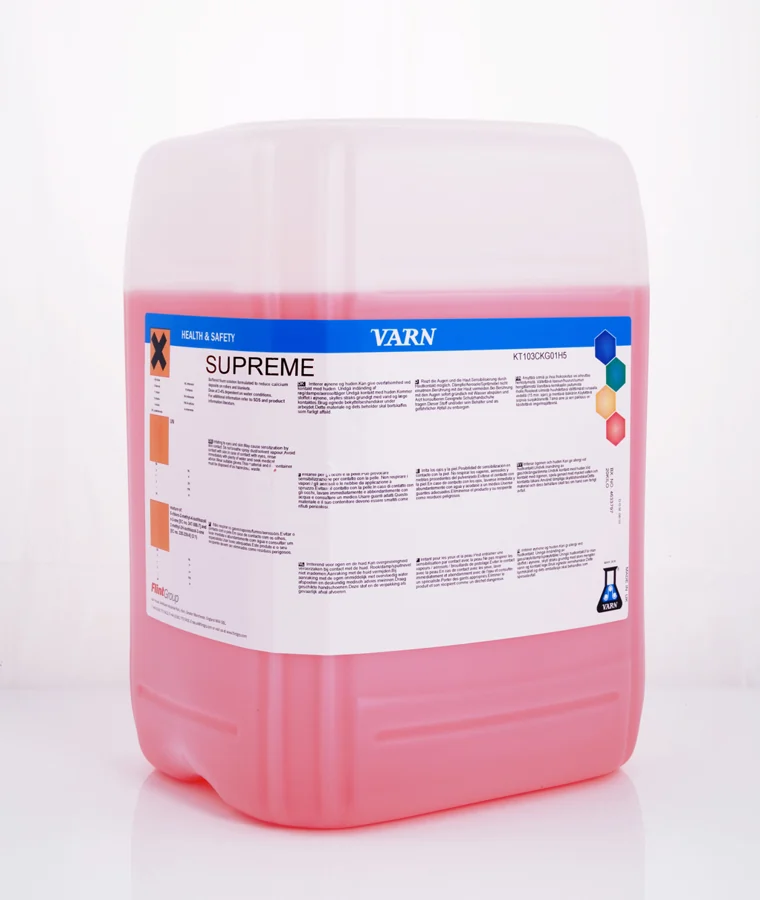
VARN Supreme
Selection for conventional and UV inks, also low-energy systems.
What should you look out for?
Concentrate 2-4%; typical IPA 5–10%.
Sheet-fed fountain solution additives
VARN Cal-Kleen Fount
Dampening with control of calcium deposits for conventional and UV inks.
What should you look out for?
Concentrate 2-4%; typical IPA 5–10%. Still check the hardness and composition of the water.
Sheet-fed fountain solution additives
VARN DDS Fount
Dampening in small offset and appropriate direct systems.
What should you look out for?
Use the concentrate at a concentration of 2-4%. Selection requires knowledge of a specific system.
Sheet-fed fountain solution additives
VARN SFF 9275 Fount
Conventional, UV and UV LED printing with limited IPA.
What should you look out for?
Concentrate 2-4%; typical IPA 0.01–5%. Determine the variant based on the process parameters.
Sheet-fed fountain solution additives
VARN SFF 9205 Fount
Conventional, UV and UV LED printing with a low proportion of IPA.
What should you look out for?
Concentrate 2-4%; typical IPA 0.01–5%. Don’t name concentrates only.
Sheet-fed fountain solution additives
VARN Protector Fount
Reducing or eliminating IPA after matching water and machine.
What should you look out for?
Concentrate 2-4%; typical IPA 0.01–5%.
Sheet-fed fountain solution additives
VARN Pro Tek 2300
Selection of cardboard packaging for printing, also with UV and metallic inks.
What should you look out for?
Confirm the concentration and compatibility of the entire packaging system before implementation.
Sheet-fed fountain solution additives
VARN Multifount Plus
Dampening in packaging printing with calcium control and partial IPA reduction.
What should you look out for?
Select for conventional, UV or metallic ink according to the appropriate Multifount Plus card.
IPA reduction and calcium control
Reduce IPA proportion after adjusting concentrate and dampening settings. Check print stability, plate cleanliness and ink-water balance. We do not promise alcohol-free printing on every set of materials.
If you use reverse osmosis water, check the need to correct the hardness. Aqua Conditioner prepares water but does not replace buffer. When you have settlements circulating, choose separate ones cleaning the installation.
Is UV buffer suitable for conventional inks?
Some buffers cover both uses. Check the specific variant, plate and water. When it comes to packaging, assess the compliance of the entire system, not just the “LM” inscription.
Select a product and ask for a price
Provide water parameters, machine, ink, board and planned IPA share. WIT will confirm the correct variant, packaging, availability and pricing. We set the price for a specific product and quantity.
Selection questions and practical limits
Can I transfer the same concentrate setting to another water supply?
Not without checking the water. Hardness and conductivity can change the working solution. Therefore, record the water parameters, concentrate dosage and IPA content before comparison. Do not adjust the process from pH alone.
Does a concentrate replace cleaning the dampening circuit?
No. A working concentrate and a circuit cleaner serve different purposes. If contamination keeps returning, inspect the tank, circulation and maintenance procedure. Use cleaning products according to their specific instructions.